

 0
0
 0
0
You can launch an ecommerce business in 2026 with zero upfront investment by using free platforms, dropshipping or print-on-demand models, and organic marketing channels. The process takes commitment and consistent effort rather than cash, but it’s entirely feasible if you’re willing to invest your time strategically.
The path forward mirrors how you can start a business from home with minimal resources. You’ll rely on free trials from major platforms, supplier arrangements where you only pay after a customer orders, and social media marketing that costs nothing but your creative energy. Your first sales will likely come from friends, family, and niche communities where you can build trust without advertising spend.
This approach has real limitations you need to understand from day one. Growth will be slower than funded competitors, your product selection will be constrained to what suppliers offer on consignment terms, and you’ll handle every task yourself until revenue allows hiring help. But the beauty of starting without money is that you also start without debt, without investor pressure, and with complete control over your business direction.
What follows is a practical roadmap showing exactly which free tools to use, how to find products you can sell without buying inventory, and the daily actions that turn zero dollars into your first revenue. Expect the early weeks to feel like pushing a boulder uphill, but each small win builds momentum toward a sustainable income stream.
What You Need to Launch a Zero-Cost Ecommerce Store

Starting an ecommerce business without money doesn’t mean you need nothing, it means replacing cash with time, effort and smart use of free resources. You’ll need a reliable internet connection, a device to work from, and several hours per week to build and run your store. The financial barrier to entry has dropped dramatically, but the commitment required hasn’t.
Free Website and Store Platforms
You can build a functional online store without spending a dollar on hosting or site software. Platforms like Ecwid offer a completely free plan for up to five products, perfect for testing your concept. WooCommerce runs on ‘s free tier, though you’ll face some limitations. Big Cartel provides a free plan for five products as well. Social commerce through Facebook Shops and Instagram Shopping lets you sell directly through social platforms with no platform fees, though you’ll still pay standard payment processing costs.
No-Upfront-Cost Payment Processing
Accepting payments doesn’t require monthly fees if you choose wisely. PayPal and Stripe charge per-transaction fees but have no setup costs or monthly minimums, making them ideal when you’re starting from zero. These processors are available to Canadian businesses and integrate with most free ecommerce platforms.
Essential Free Tools by Category
- Website and store: Ecwid, Big Cartel (5 products free), WooCommerce on, Facebook/Instagram Shops
- Payment processing: PayPal, Stripe (transaction fees only, no monthly costs)
- Marketing channels: Instagram, Facebook, TikTok, Pinterest, Google Business Profile, email through Mailchimp free tier
- Design and content: Canva (free plan), Unsplash and Pexels for stock photos, smartphone camera for product images
- Inventory management: Built-in tools from your ecommerce platform, Google Sheets for tracking
Keep in mind that free plans come with constraints, limited products, platform branding on your store, and fewer customization options. You’re trading these limitations for the ability to launch without financial risk. The time investment typically runs ten to twenty hours to get your initial store live, then five to fifteen hours weekly for marketing, customer service and order management once you’re operational.
Important Considerations Before You Start
Starting an ecommerce business with no upfront cash is achievable, but it demands significant time investment and careful planning to avoid unexpected obstacles. Before you dive in, understand what you’re committing to and where the real challenges lie.
Time is Your Primary Investment
When you’re bootstrapping without money, expect to invest 15-25 hours per week minimum during your launch phase. You’ll handle product research, store setup, content creation, customer service, and marketing yourself. Most entrepreneurs underestimate this commitment. If you’re working full-time or managing family responsibilities, be honest about whether you can sustain this effort for at least three to six months before seeing meaningful traction.
Hidden Costs to Anticipate
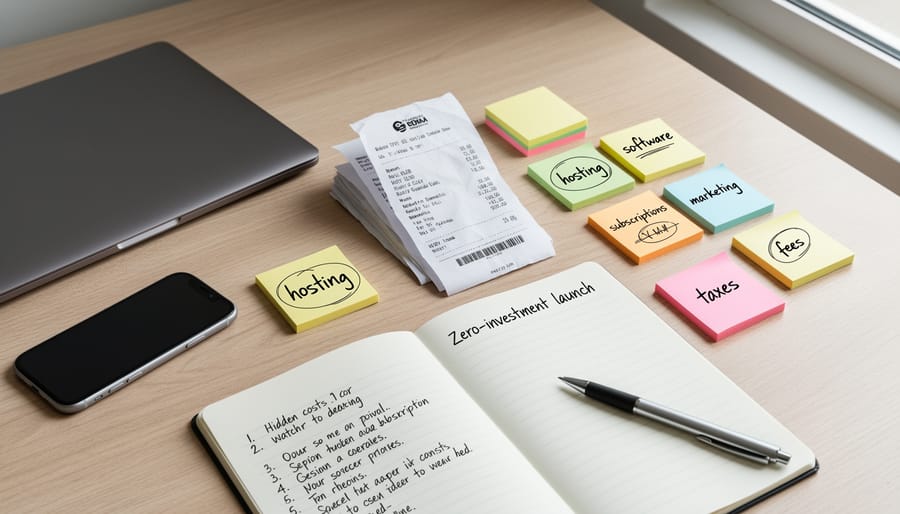
“Free” platforms often include unavoidable expenses once you’re operational. Payment processors typically charge 2.9% plus 30 cents per transaction, eating into slim margins. Custom domain names cost $15, $30 annually (while optional, they build credibility). Shipping costs can surprise you, especially if customers expect free delivery. Transaction fees compound quickly as sales grow, so factor these into your pricing from day one.
Legal Requirements in Canada
Even zero-budget businesses must comply with Canadian law. You’re not required to formally register a business initially if operating as a sole proprietor under your own name, but you’ll need to register for GST/HST for businesses once you exceed $30,000 in revenue over four consecutive quarters. Provincial regulations vary, so check your province’s requirements for business names and permits. Ignoring tax obligations creates serious problems later.
Set realistic expectations. Growth without paid advertising is slow and requires consistent effort. Free tools work for validating your concept, but serious scaling eventually demands investment in better platforms, inventory, or marketing.
Step-by-Step: Launch Your Ecommerce Business With Zero Investment
Choose a No-Money Business Model
Dropshipping lets you sell products without holding inventory. When a customer orders, your supplier ships directly to them. You pay only after you’ve made the sale, making it genuinely zero-cost to start. The trade-off? Lower profit margins (typically 10-30%) and less control over shipping times. It works best when you choose a specific niche and focus on marketing rather than competing on price.
Print-on-demand operates similarly but for custom products like t-shirts, mugs, or phone cases. You upload designs, and items are printed only when ordered. Services like Printful and Printify integrate with free platforms at no upfront cost. Your profit depends entirely on your markup. This model suits creative entrepreneurs who can produce original designs using free tools like Canva.
Digital products offer the highest profit margins since there’s no per-sale cost. Sell ebooks, templates, courses, or downloadable planners you create yourself. The challenge is creating something people value enough to purchase, which requires time and expertise rather than money.
Service-based ecommerce means selling your skills, consulting, virtual assistance, design work, or coaching sessions booked through your online store. You’re trading time for money, but there’s zero inventory risk and no product costs.
Each model genuinely requires no cash to launch, but they demand different resources. Dropshipping needs marketing savvy, print-on-demand requires design skills, digital products need specialized knowledge, and services depend on your existing expertise. Choose based on what you can offer, not which sounds easiest.
Set Up Your Free Online Store
Start by comparing the truly free options available to Canadian entrepreneurs. Shopify offers a three-day free trial, genuinely free to test, but you’ll need to commit to a paid plan afterward. For continuous no-cost operation, WooCommerce on ‘s free tier allows you to build a basic store, though you’ll face limitations on customization and payment processing. Square Online provides a perpetually free plan with core ecommerce features, making it a solid choice for bootstrapping.
Social commerce presents another zero-investment path. Facebook Shops and Instagram Shopping let you list products directly on these platforms without separate hosting costs. You’ll need a business account and approval for commerce features, which typically takes a few days. This approach works well if you’re already building an audience on social media.
For payment processing without upfront fees, focus on Canadian-accessible options. Stripe and PayPal allow you to accept payments immediately with no monthly charges, you’ll only pay transaction fees when you make sales. Square processes payments at competitive rates and integrates seamlessly with its free storefront.
When configuring your chosen platform, prioritize essential pages first: product listings, shipping information, and return policies. Skip premium themes and paid plugins initially. Most platforms offer functional free templates that you can customize later as revenue allows. Connect your payment processor during setup, even before adding products, so you can test the complete purchase flow with a small-value item to ensure everything works smoothly for Canadian customers.
Source Products Without Buying Inventory
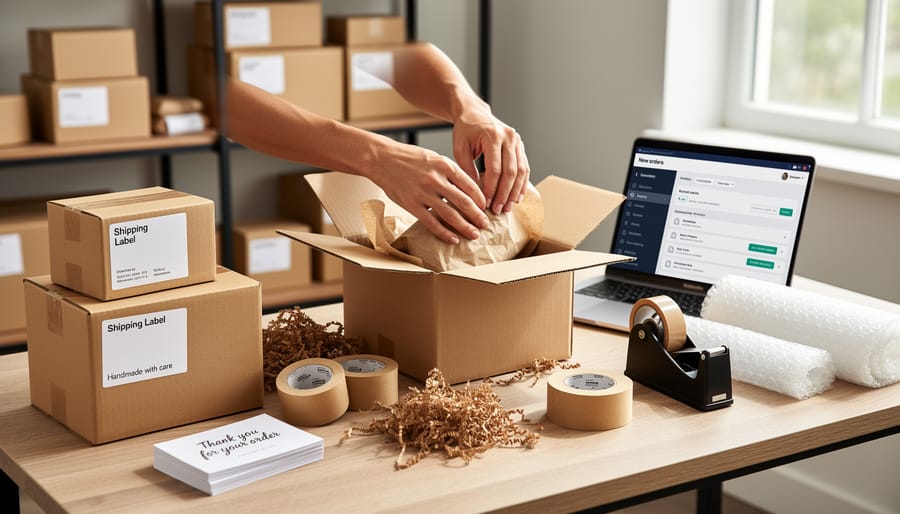
Dropshipping is your primary zero-cost product sourcing method. You list items in your store, but suppliers ship directly to customers only after they’ve purchased. Sign up with platforms like AliExpress Dropshipping Center or Spocket to browse thousands of products without paying upfront. Vet suppliers carefully: order a sample yourself (your only small investment) to check quality and shipping times to Canada, read reviews from other dropshippers, and confirm they ship reliably to Canadian addresses. Avoid suppliers with excessive shipping delays or poor communication, these issues become your customer service problems.
Print-on-demand works similarly for custom products like t-shirts, mugs, or phone cases. Services like Printful and Printify integrate free with most ecommerce platforms and charge only when customers order. You upload designs, set your selling price, and the service handles production and shipping. Your profit is the difference between what the customer pays and the base production cost. Use free design tools like Canva or GIMP to create simple graphics without hiring designers.
Digital products require zero inventory costs. Create ebooks, templates, planners, or online courses using free software, then deliver them automatically via email. Your time is the only investment. Start with something you already know well, a guide based on your expertise or downloadable resources your target audience needs.
Create Your Store Content and Product Listings
Your product listings directly determine whether visitors become customers. Clear descriptions, quality visuals, and professional pages all build trust, and you can create them without spending a cent.
Start with product descriptions that answer buyer questions before they’re asked. State what the product is, who it’s for, and what problem it solves in the first sentence. List key features as short bullet points, then address size, materials, or compatibility details that reduce return risk. Write naturally, conversational language converts better than flowery marketing copy. If you’re dropshipping, rewrite supplier descriptions completely rather than copying generic text that appears on dozens of sites.
Source product images through your supplier’s media library, manufacturer websites, or by using free stock photo sites like Unsplash or Pexels for lifestyle shots. Canva’s free plan lets you edit photos, remove backgrounds, and create consistent product graphics without design skills. For digital products or services, create mockups using free templates from Canva or Figma.
Build essential pages that legitimize your store. Your About page should explain who you are and why you’re qualified to sell these products, authenticity matters more than polish. Create clear Shipping and Returns policies, even if you’re using supplier fulfillment; vague policies kill conversions. Include a Contact page with an email address (free through Gmail or your platform).
Test every page on mobile before launch. Most ecommerce traffic comes from phones, so if your descriptions run too long or images load poorly, you’re losing sales before you start.
Drive Your First Sales With Free Marketing
Your first sales will come from consistent, strategic effort across free channels rather than paid advertising. Start by choosing two social media platforms where your target customers actually spend time, Instagram and TikTok work well for visual products, while LinkedIn suits B2B offerings. Post daily content that educates or entertains rather than constantly selling: product demonstrations, behind-the-scenes glimpses, customer problem-solving tips, or user-generated content. Engage genuinely with potential customers by commenting on relevant posts, answering questions in niche communities, and participating in conversations without immediately pitching your store.
Leverage your personal network thoughtfully. Share your launch with friends and family, but ask them to spread the word rather than just buy from you. Request honest feedback and reviews from early purchasers, which builds social proof for future customers. Join Canadian entrepreneurship groups on Facebook and Reddit where you can share knowledge and occasionally mention your business when genuinely relevant.
Content marketing delivers long-term results. Start a blog answering common questions in your niche, create helpful YouTube videos, or launch a simple email newsletter for visitors who aren’t ready to buy yet. These tactics require patience, expect weeks or months before seeing meaningful traffic, not immediate sales. Track what drives visitors to your store and double down on those channels rather than spreading yourself thin across every platform.
How to Know Your Business Is Ready and What Comes Next
Before you welcome paying customers, run through a simple verification checklist to confirm your business is ready for real transactions. Complete a test purchase yourself to confirm the checkout process works smoothly, payment processes correctly, and confirmation emails arrive. Check how your store displays on mobile devices, most shoppers browse on phones, so broken layouts or slow loading means lost sales. Review your essential policies (shipping, returns, privacy) to ensure they’re clear and complete, and verify that your contact information is easy to find.
Track performance using free analytics tools that come with most platforms, focus on actual visitor numbers, which products get clicked, how many people start checkout, and where visitors abandon the process. These metrics tell you what’s working without relying on sales volume that may take weeks or months to build. Don’t get discouraged by slow starts; free marketing builds momentum gradually, and conversion rates vary wildly based on product type and audience.
Consider reinvesting profits when you’ve identified a clear bottleneck. Your first sales might reveal that customers want faster shipping, which could justify a small inventory purchase. Or you might find that a custom domain (under $20 annually) builds more trust than a free subdomain. Prioritize spending on whatever directly removes friction from your customer experience rather than vanity upgrades.
Understanding what comes next means recognizing when you’ve validated your concept and are ready to scale. Once you’re making consistent sales, even small ones, and have positive customer feedback, you’ve proven the foundation works. At that point, explore modest paid advertising to test whether you can profitably acquire customers, or look into Canadian small business grants that support growth. The transition from zero-budget launch to sustainable business happens through deliberate reinvestment based on what your early results actually show you.
Funding and Support Resources for Canadian Ecommerce Entrepreneurs
Once you’ve made your first sales and proven your business model works, it’s time to think about sustainable growth. Reinvesting your initial profits is the natural first step, but Canadian entrepreneurs have access to resources that can accelerate your progress without requiring traditional bank loans or large cash reserves.
Canadian StartUp offers several tools designed specifically for your stage. The Small Business Startup Database helps you identify grant opportunities and funding programs you might qualify for as an ecommerce business. Many of these programs prioritize new ventures and don’t require lengthy operating histories. You’ll also find business planning resources that strengthen your applications and help you articulate your growth strategy clearly.
Beyond grants, consider microloans and community lending programs available across Canada. These typically offer smaller amounts with more flexible requirements than conventional business loans. Some credit unions save local business programs that understand the ecommerce model better than traditional banks. The application process is usually faster, and rates can be competitive for borrowers building their credit.
Look into startup mentorship programs through local business development centres and chambers of commerce. Experienced mentors provide guidance on when to scale, how to evaluate advertising spend, and which investments deliver the best returns for ecommerce growth.
The right time to seek funding is when you’ve validated demand, understand your costs, and identified a specific growth opportunity. Don’t chase funding just to have cash on hand. Instead, wait until you can clearly explain what the money will accomplish and how it will generate returns.
Common Questions About Starting Ecommerce Without Money
Do I need to register my business before making sales?
In Canada, you’re legally required to register your business name if you operate under anything other than your personal name. You’ll also need a GST/HST number once you exceed $30,000 in revenue over four consecutive quarters, though many provinces recommend registering sooner to claim input tax credits on business expenses.
How long until a zero-budget store generates meaningful income?
Most bootstrapped ecommerce stores take several months to gain traction through free marketing alone. Your timeline depends heavily on niche selection, marketing consistency, and whether you’re selling products people actively search for. Some founders see their first sales within weeks, while others need six months or more to build momentum organically.
When will I actually need to spend money?
Eventually, you’ll hit growth limits with entirely free tools. Common first investments include a custom domain name, paid advertising to scale beyond organic reach, or upgraded platform features as your product catalogue expands. Many successful bootstrappers reinvest their first profits into these upgrades rather than spending out of pocket.
Can I really compete with established stores without a marketing budget?
You can’t match their reach, but you can win on specificity and personal connection. Focus on serving a narrow niche where established players are too generic, engage directly with your first customers to build word-of-mouth, and use content that demonstrates genuine expertise rather than outspending competitors on ads.
The biggest misconception about zero-budget ecommerce is that it stays zero-budget forever. Think of free tools as a launch pad, not a permanent solution. They let you validate your business idea and generate initial sales without financial risk, but sustainable growth typically requires strategic reinvestment.
Tax obligations start earlier than many new entrepreneurs expect. You’ll need to track all income from day one, even if you’re not yet registered for GST/HST. Keep records of every transaction, including payment processor fees, because these become essential when tax season arrives or when you cross registration thresholds.
The competitive landscape for free-launch businesses differs from traditional retail. You’re not competing with major brands on price or selection; you’re competing on specialization, responsiveness, and the unique angle only a focused founder can provide. Many established stores ignore smaller niches or customer segments where a bootstrapped business can thrive by simply paying closer attention.





Average Rating