

 0
0
 0
0
Starting a research peptides business in Canada offers aspiring entrepreneurs a genuine opportunity in the life sciences sector, but success depends on mastering supplier relationships, regulatory compliance, and building credibility with academic and biotech clients. Companies like Kylo Peptides have carved out profitable niches by serving researchers who need reliable access to high-quality peptide compounds for laboratory studies. The path forward isn’t complicated, but it demands attention to detail and a commitment to operating within Health Canada’s framework.
The research peptide market serves universities, pharmaceutical companies, and independent laboratories conducting studies in fields ranging from cancer research to metabolic disorders. Your role as a supplier sits at the intersection of science and commerce. You’ll source compounds from manufacturers, verify purity through third-party testing, maintain proper documentation, and build relationships with researchers who need consistent, traceable materials for their work.
What makes this business particularly suited for Canadian entrepreneurs is the country’s strong research infrastructure. With major universities in every province and a growing biotech sector, demand for research-grade peptides continues to expand. However, this isn’t a space for shortcuts or vague product claims. Your customers are scientists who scrutinize certificates of analysis, require batch-to-batch consistency, and expect transparent communication about sourcing and storage conditions.
The startup costs sit somewhere between a traditional e-commerce operation and a specialized distributor. You’ll need secure storage, quality control protocols, and the knowledge to speak credibly with PhD-level customers about molecular weights, solubility, and handling requirements. The good news? You don’t need a science degree to succeed, but you do need to invest time understanding what your customers actually need and why proper handling matters in their research outcomes.
What Research Peptides Mean for Your Biotech Startup
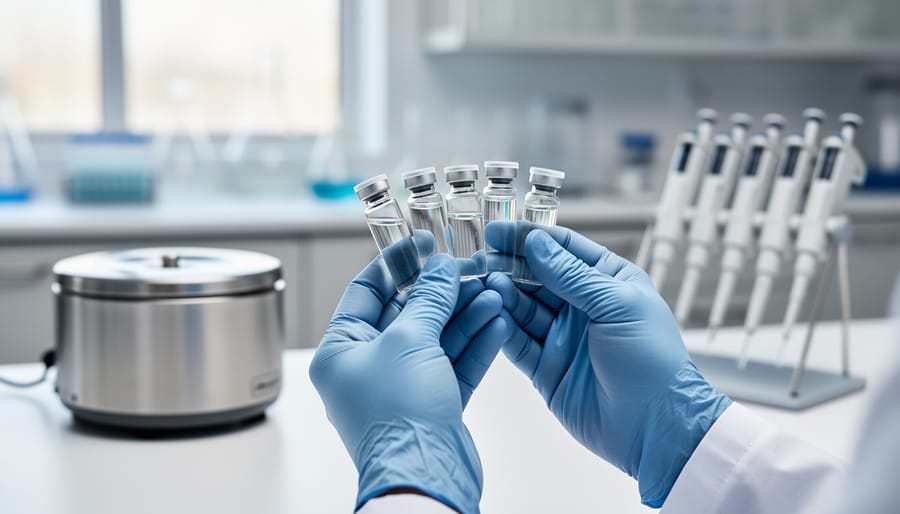
Research peptides are short chains of amino acids, the building blocks of proteins, synthesized specifically for laboratory investigation and product development. Unlike pharmaceutical-grade compounds intended for human use, these materials are manufactured and certified strictly for scientific purposes: testing hypotheses, developing new therapies, or validating biological processes in controlled settings.
For Canadian biotech startups, research peptides serve as fundamental tools in several high-growth areas. Companies working on drug discovery use them to identify promising therapeutic candidates before investing in full clinical development. Cosmetic and skincare startups employ peptides to test anti-aging formulations and validate product claims with actual data. Agricultural biotech firms investigate peptides for crop protection or livestock health applications. Even diagnostic companies rely on these compounds to develop new testing methods or improve existing assays.
The appeal for emerging businesses is practical. Research peptides let you conduct meaningful scientific work without the regulatory complexity and cost of handling pharmaceutical materials. You can test concepts, gather preliminary data, and refine your approach before committing to expensive clinical trials or market launches. This makes them particularly valuable during your startup’s early validation phase, when proving your technology works matters more than immediate commercialization.
- Research-grade peptide
- A synthesized amino acid chain manufactured to known purity standards for laboratory use only, not approved for human consumption or medical applications.
- Purity percentage
- The proportion of the desired peptide compound in a sample, typically 95% or higher for quality research materials, with the remainder being synthesis byproducts or stabilizers.
- Certificate of Analysis (CoA)
- Documentation from the manufacturer verifying a peptide’s identity, purity, and composition through analytical testing, essential for validating research results.
- Regulatory classification
- The legal category assigned to a compound, determining how it can be sold, stored, and used, research peptides fall under laboratory supply regulations rather than pharmaceutical rules in Canada.
The peptide research market has grown substantially because these compounds bridge fundamental science and commercial application. A startup investigating wound healing can test multiple peptide variants to identify which formulations show promise, then use that data to attract investors or secure research grants. The compounds provide tangible proof of concept without requiring the infrastructure of a full pharmaceutical operation.
Canadian entrepreneurs enter this space with distinct advantages. Strong academic research institutions create partnership opportunities and talent pipelines. Government funding programs specifically support life sciences innovation, recognizing biotechnology’s economic potential. The regulatory environment, while thorough, offers clearer pathways for research businesses than many jurisdictions.
Understanding what research peptides are and how they fit into your business model matters from day one. These aren’t products you’ll sell directly to consumers, but research inputs that generate the intellectual property, data, and validated processes your startup needs to build value and eventually commercialize discoveries.
Building a Research-Based Business: The Canadian Landscape
Grant and Funding Opportunities for Research Startups

Canadian biotech startups have several funding pathways that specifically support research and development work. The federal government’s Scientific Research and Experimental Development (SR&ED) tax credit program provides substantial refunds on eligible R&D expenses, up to 35% for small businesses, covering everything from lab supplies to researcher salaries. This makes expensive research materials more financially accessible for new companies.
The Natural Sciences and Engineering Research Council offers Idea to Innovation grants worth up to $400,000 for university-industry partnerships, perfect if you’re collaborating with academic institutions on peptide research applications. These grants explicitly fund proof-of-concept development and commercialization efforts.
Regional programs add another layer of support. Ontario’s Life Sciences Innovation Fund targets biotech startups with grants reaching $500,000, while Quebec’s Innovation Rebate reimburses 30% of R&D costs. Alberta Innovates provides both grants and equity investments for companies working in health sciences and biotechnology.
National Research Council’s Industrial Research Assistance Program (NRC-IRAP) deserves attention too. They offer non-repayable contributions covering up to 80% of project costs for qualifying businesses, plus advisory services from technical experts who understand research-oriented enterprises.
The key is applying early and often. Most programs operate on competitive cycles, so track deadlines and maintain detailed records of your research spending. Even if your first application gets rejected, the feedback helps strengthen future submissions, and many successful startups secure funding on their second or third try.
Success Story: A Toronto Lab That Started Small
Dr. Sarah Chen launched BioNorth Labs in 2019 from a 400-square-foot rented space in Toronto’s MaRS Discovery District. With a background in biochemistry and $25,000 from a Regional Development Canada grant, she set out to provide peptide analysis services to university researchers who couldn’t afford commercial testing.
Her first major challenge was sourcing quality research peptides within her tight budget. Chen spent three months vetting suppliers, requesting certificates of analysis, and running her own verification tests. “I learned quickly that the cheapest option wasn’t actually cheap when batches failed quality checks,” she recalls. She eventually established relationships with two verified suppliers, negotiating payment terms that aligned with her cash flow cycles.
By year two, BioNorth had served 14 academic clients and expanded into custom synthesis work. Chen credits her growth to meticulous cost tracking and reinvesting profits into better equipment rather than scaling too quickly. She maintained detailed spreadsheets tracking cost-per-project, which helped her identify which services were actually profitable.
Today, BioNorth employs six people and generates $800,000 in annual revenue. Chen’s advice for new research entrepreneurs? “Start smaller than you think you need to. Master your supply chain and understand your true costs before you expand. Those early supplier relationships I built carefully are still my backbone today.”
How to Evaluate Research Peptide Suppliers for Your Business
Quality Standards and Certifications to Look For
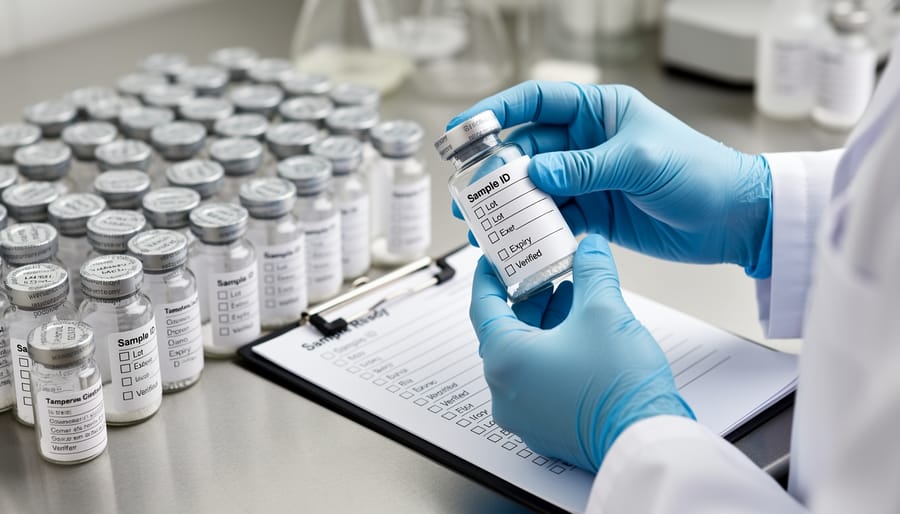
When you’re evaluating research peptide suppliers for your startup, understanding quality documentation separates reliable vendors from questionable ones. The single most important document is the Certificate of Analysis (COA), which verifies what you’re actually purchasing.
A proper COA should include the peptide’s purity percentage, typically measured using high-performance liquid chromatography (HPLC). For most research applications, you’ll want purity levels of 95% or higher. The certificate should also show molecular weight confirmation through mass spectrometry, proving the peptide sequence matches what you ordered.
Look for suppliers who provide batch-specific COAs rather than generic ones. Each production batch can vary slightly, so you need documentation for the exact material you’re receiving. The COA should display the batch number, testing date, and be issued by an independent third-party laboratory, not just the supplier’s in-house facility.
Beyond purity, check for endotoxin testing results. Endotoxins are bacterial contaminants that can skew research outcomes, particularly in cell culture work. Reputable suppliers test for these and include limits in their documentation.
Some suppliers also maintain ISO certifications or Good Manufacturing Practice (GMP) compliance. While not always necessary for research-grade materials, these certifications indicate systematic quality control processes. For startups planning eventual product development, working with GMP-certified suppliers from the start simplifies future regulatory pathways.
Always request current documentation before committing to large orders. Legitimate suppliers provide this readily.
Pricing and Budget Considerations
Research peptides typically range from $50 to several hundred dollars per vial, depending on purity grade, quantity, and supplier tier. As a startup, you need to understand what drives these costs before setting your budget.
| Pricing Factor | Typical Range | What Affects Cost |
|---|---|---|
| Purity Grade | $75, $400/vial | Higher purity (98%+) costs more due to additional purification steps |
| Quantity | 5mg, 50mg | Bulk orders reduce per-unit cost; suppliers often offer volume discounts |
| Supplier Type | 15-30% variance | Direct manufacturers vs. distributors; North American suppliers typically charge premium over overseas |
| Testing Documentation | +$20, $80/batch | Third-party certificates of analysis and purity reports add to supplier costs |
Start by calculating your monthly material needs based on your research protocols. Most startups allocate 20 to 35 percent of their initial operational budget to materials and supplies. Build in a buffer, order slightly more than your minimum requirements to account for storage losses and potential supplier delays.
Consider ordering cycles strategically. Quarterly bulk purchases with established suppliers often unlock better pricing than monthly small orders. However, balance bulk savings against storage limitations and shelf life constraints. Some peptides require specific storage conditions that add facility costs.
Track your cost per experiment or per project rather than just per vial. This approach helps you identify where you’re getting value and where you might adjust protocols to reduce waste. A slightly higher-priced supplier with reliable quality can actually lower your total costs by reducing failed experiments and material waste.
Building Reliable Supplier Relationships
Starting with clear communication sets the foundation for strong supplier partnerships. When you’re a small biotech startup, your first orders might be modest, but treating suppliers professionally from day one signals serious intent. Introduce your business vision, explain your growth trajectory, and ask questions that show you understand quality requirements.
Negotiate payment terms that work for your cash flow while respecting industry standards. Many suppliers offer net-30 or net-60 terms once you’ve established credibility through a few successful transactions. Don’t hesitate to discuss volume discounts as your research scales, suppliers appreciate predictable orders and often reward consistency.
Build relationships beyond transactions. Keep your contact informed about your research milestones and anticipated needs so they can plan inventory. When issues arise, address them directly rather than switching suppliers immediately. A vendor who knows you’ll communicate problems honestly becomes an ally in solving them, potentially offering rush shipments or flexible terms during critical phases of your research.
Legal and Regulatory Essentials for Canadian Research Businesses

Before any biotech startup purchases research peptides for sale in Canada, it’s vital to understand the legal responsibilities that come with handling these scientific materials. Canadian law classifies most research peptides as research-use-only chemicals, not for human or animal consumption, and places strict controls on how they are bought, stored, and used within a legitimate research environment.
Startups need to verify the current status of each peptide they plan to use. Some substances fall under the Controlled Drugs and Substances Act, while others are regulated primarily through Health Canada or related provincial agencies. If a peptide is controlled, your business must apply for the appropriate permits or exemptions before any order is placed. Attempting to purchase or possess restricted materials without proper authorization can lead to costly delays or even legal penalties. Reviewing current guidelines on the Health Canada website is the best way to make sure your materials are compliant.
Beyond substance classification, all research-focused businesses in Canada must have proper business licensing at both the federal and provincial levels. A federally incorporated business may conduct research anywhere in Canada, but you’ll usually need a provincial licence for your physical laboratory location. Local municipal permits may be necessary for handling chemical materials, check with your city’s business office before you lease lab space.
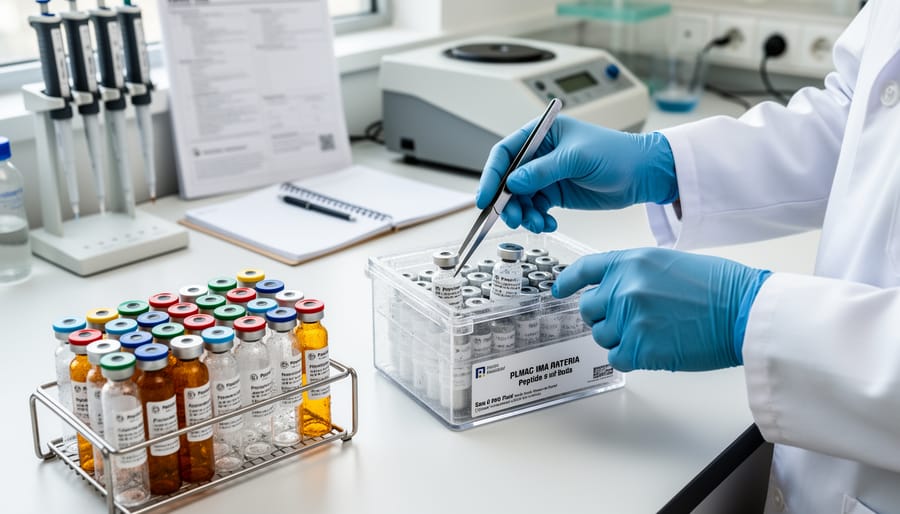
Every startup should have a written compliance plan. This begins with clear documentation around purchases, chain of custody, storage conditions, and employee training. Peptide stock should always be logged on arrival, clearly labelled (including research-use-only warnings), and stored according to the manufacturer’s recommendations. Regular internal audits protect your business and demonstrate due diligence if regulators come calling.
If you’re importing research peptides for sale from outside Canada, pay attention to Canada Border Services Agency requirements. Import declarations, accurate tariff classifications, and proof of end-use are almost always required. Failing to provide the right paperwork at customs can result in seized shipments and fines.
In addition to substance control, Health Canada puts emphasis on good laboratory practices (GLP) and safe disposal of experimental materials. Keep records of how all peptides are used and disposed of, and make sure your staff know the protocols for spill response and reporting adverse events. Putting compliance front and centre builds trust with partners and funders as well as regulators, setting your startup up for long-term growth.
Setting Up Your Research Business: Step-by-Step
Creating Your Business Plan
A research-focused business plan needs distinct components beyond typical startup documentation. Start with your research thesis, what specific problem your peptide research addresses and how it fills a market gap. This section should demonstrate scientific validity while remaining accessible to non-technical investors.
Your operational plan must detail material sourcing strategies, including supplier evaluation criteria, quality assurance protocols, and inventory management systems. Be specific about peptide storage requirements, handling procedures, and compliance measures. Many new founders fall into common business plan mistakes by glossing over these critical operational details.
Include a dedicated regulatory compliance section outlining required licenses, safety certifications, and ongoing reporting obligations. Your financial projections should account for research timelines, grant funding cycles, material costs with volume discounts, and realistic development phases. Be conservative with revenue forecasts, as research businesses often take longer to monetize than traditional startups.
Address your intellectual property strategy and how you’ll protect proprietary research methods. Investors want to see you’ve thought through both the science and the business mechanics of turning research into a sustainable venture.
Securing Startup Funding and Credit
Financing a research-focused startup requires a strategic approach that combines multiple funding sources. Start by exploring government grants designed for scientific ventures, programs like the National Research Council’s Industrial Research Assistance Program (IRAP) provide non-dilutive funding specifically for research and development activities. These grants often cover material costs, including research peptides and lab supplies, without requiring you to give up equity.
Traditional business loans work differently for research startups. Banks typically want to see revenue projections and assets, which can be challenging when you’re still in the development phase. Consider alternative lenders who understand the biotech timeline, or explore specialized funds that support life sciences companies. Before approaching any lender, prepare a comprehensive funding checklist that includes your research plan, budget breakdown, and expected milestones.
Angel investors and venture capital become viable once you’ve demonstrated proof of concept. Frame your pitch around the problem you’re solving and the market opportunity, not just the science. Show them how your research translates into a sustainable business model. Many investors want to see you’ve secured some initial funding, even a small grant proves others believe in your work and helps build credibility.
Establishing Vendor Accounts and Supply Chains
Once you’ve secured funding and completed your business plan, establishing reliable vendor relationships becomes your next critical step. Start by reaching out to potential suppliers directly, most reputable research peptide vendors require formal business registration before opening an account. You’ll typically need your business number, GST registration if applicable, and sometimes proof of your intended use.
Request a credit application from your preferred suppliers. As a new business, expect to start with prepayment terms or a modest credit limit. Build your credit history by paying invoices promptly and gradually requesting limit increases as your track record develops. Some suppliers offer discounts for larger orders or upfront payment, which can significantly reduce your material costs.
Create a simple inventory management system from day one. Even a basic spreadsheet tracking order dates, lot numbers, storage locations, and usage helps prevent costly mistakes and ensures compliance with your quality standards. Consider the storage requirements for your materials, research peptides typically require specific temperature conditions, and factor these costs into your operational budget.
Connect with other Canadian biotech founders through local networks to share supplier recommendations and negotiate better terms through group purchasing arrangements. Leveraging available startup tools & resources can help you identify reliable vendors and compare pricing structures. Document everything: supplier certifications, delivery schedules, and quality issues create valuable records as your business scales and establishes its supply chain credibility.
Common Challenges and How to Overcome Them
Starting a research-focused biotech venture sounds exciting until you hit the practical roadblocks that trip up most new founders. Supplier minimums often sit well above what a bootstrapped startup can afford, especially when you’re still validating your research direction. Many peptide suppliers require institutional credentials or established business accounts, leaving solo entrepreneurs stuck in a catch-22: you can’t get materials without a track record, but you can’t build a track record without materials.
The solution starts with creative relationship-building. Reach out to university research programs or incubators that might let you piggyback on their institutional purchasing power during your early stages. Some suppliers offer starter packages for verified small businesses, though you’ll need your incorporation paperwork and business bank account ready. If you’re genuinely stuck, working with startup business coaches who understand the scientific sector can open doors, they often know which suppliers are friendlier to emerging companies.
What if suppliers won’t work with my new startup?
Start by establishing your business formally with incorporation and business banking, then approach smaller specialized suppliers who cater to emerging companies. University partnerships or incubator programs can also provide purchasing credibility.
How do I handle quality concerns with limited testing resources?
Always request certificates of analysis and start with small test orders. Build relationships with one or two reliable suppliers rather than constantly switching based on price alone.
What’s the biggest mistake new research startups make with suppliers?
Choosing solely on price without verifying quality standards or supplier reliability, which can derail months of research work and damage your startup’s credibility.
Cash flow presents another persistent headache. Research materials tie up capital before you see any return, and payment terms for new accounts typically mean paying upfront. Combat this by negotiating milestone-based funding if you’re grant-supported, or explore business lines of credit specifically designed for inventory purchases. Start small with your orders until you’ve validated both your research direction and your supplier’s consistency.
Credibility gaps hurt too. When you’re trying to establish partnerships or attract investors, explaining why you’re qualified to handle research-grade materials matters. Document everything meticulously, maintain proper storage protocols, and consider developing a press kit that demonstrates your team’s expertise and your operation’s professionalism. Your background in science means nothing if your business operations look amateur.
The Canadian biotech landscape offers real opportunities for entrepreneurs willing to do the groundwork. Building a research-focused business around peptides and life sciences isn’t reserved for established labs with unlimited budgets. Startups across Toronto, Vancouver, and Montreal have proven that with the right approach to sourcing materials, securing funding, and understanding regulations, you can carve out a profitable niche in this growing sector.
You now have a framework for evaluating suppliers, accessing grants designed specifically for scientific startups, and navigating the compliance landscape. The research peptides market continues to expand as innovation accelerates, and Canadian funding programs actively support businesses like yours. Whether you’re planning a contract research service, developing proprietary applications, or building a supplier relationship network, the resources exist to help you succeed.
Start by writing a solid business plan that addresses the unique aspects of research businesses. Apply for grants that align with your scientific focus. Build relationships with reputable suppliers who understand the needs of emerging companies. Most importantly, take the first step. Too many potential founders wait for perfect conditions that never arrive.
Canadian StartUp provides the tools, templates, and guidance designed specifically for entrepreneurs building innovative businesses in specialized sectors. Explore our resources for business planning, funding applications, and startup strategy. Your research-focused venture could be the next Canadian success story. The question is whether you’re ready to begin.





Average Rating