

 0
0
 0
0
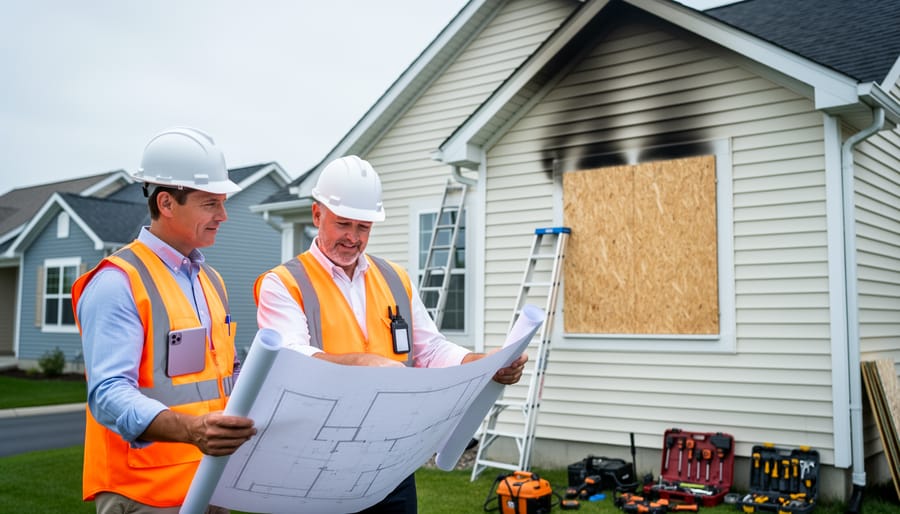
Identify distressed fire-damaged properties through municipal fire department reports, insurance adjuster networks, and MLS listings flagged as “as-is” sales across Canadian markets. These properties typically sell 40-60% below market value, creating immediate equity opportunities for investors willing to navigate restoration complexities. Start by securing pre-approved financing that accounts for both purchase and renovation costs—many traditional lenders hesitate with fire damage, so explore selling a fire damaged property options including private money lenders, hard money loans, or partnerships with experienced contractors who understand these unique dynamics.
Build relationships with restoration specialists certified by the Institute of Inspection Cleaning and Restoration Certification (IICRC) before purchasing your first property. These professionals assess structural integrity, smoke penetration levels, and hidden water damage from firefighting efforts—factors that drastically impact renovation budgets. Request detailed scope-of-work estimates that separate cosmetic fixes from critical structural repairs, ensuring your profit margins remain viable.
Focus initially on properties with localized damage rather than total losses. Kitchen and single-room fires offer manageable restoration projects while you develop expertise in permit acquisition, environmental remediation, and insurance claim navigation specific to Canadian provinces. Saskatchewan entrepreneur Michelle Chen transformed her first smoke-damaged bungalow into a $78,000 profit within five months by methodically addressing odor remediation and cosmetic updates—proving this niche rewards preparation and strategic execution.
Master the documentation requirements for fire-damaged renovations, including building permits, environmental assessments for asbestos or lead paint, and final occupancy certificates that reassure future buyers about property safety and compliance.
Why Fire-Damaged Properties Are a Hidden Goldmine

The Real Numbers Behind Fire-Damaged Property Sales
Understanding the financial reality of fire-damaged property flipping helps you make informed decisions about entering this market. In Canada, acquisition costs for fire-damaged homes typically range from 40% to 70% of comparable undamaged properties, depending on the severity of damage and location.
In Ontario’s Greater Toronto Area, you might purchase a fire-damaged property for $350,000 to $500,000, while similar opportunities in Alberta’s Calgary market could cost $250,000 to $400,000. British Columbia’s Lower Mainland presents higher entry points at $450,000 to $650,000 for damaged properties. The Atlantic provinces and Prairie regions generally offer more accessible price points, with properties available from $150,000 to $300,000.
Renovation expenses vary significantly based on damage extent. Minor smoke and cosmetic damage might require $30,000 to $60,000 in repairs, while properties with structural fire damage could need $100,000 to $200,000 or more. Budget for professional assessments, permits, contractor fees, and carrying costs including property taxes and insurance during renovation.
Realistic profit margins in this business range from 15% to 30% after all expenses. A successful flip might generate $50,000 to $100,000 profit on a mid-range project, though timelines typically extend 6 to 12 months from purchase to sale.
Provincial building codes and permit costs also affect your bottom line. Ontario and BC tend to have stricter requirements and higher permit fees, while other provinces may offer more streamlined processes. Success comes from careful budget planning, obtaining multiple contractor quotes, and building contingency funds of at least 20% for unexpected issues.
What Makes This Different From Regular House Flipping
Fire-damaged property flipping offers distinct advantages that set it apart from traditional house flipping. The most significant benefit is reduced competition. While dozens of investors might bid on a regular fixer-upper, fire-damaged properties often receive far fewer offers because many flippers lack the specialized knowledge or aren’t willing to tackle the additional complexities involved.
You’ll also find faster acquisition timelines. Homeowners dealing with fire damage are frequently motivated sellers who need to move quickly, especially if they’re juggling temporary housing costs or facing financial pressure. This urgency can translate into better purchase prices and smoother negotiations.
Insurance settlement opportunities create another unique advantage. Sometimes you can work directly with insurance companies or take over claims, potentially accessing funds that reduce your renovation costs. Some Canadian entrepreneurs have built strong relationships with insurance adjusters, creating a steady pipeline of deals.
However, honesty matters here. This niche does come with added layers of complexity. You’ll need to navigate stricter building permits, understand smoke and structural damage assessment, and possibly deal with hazardous materials remediation. The renovation process typically takes longer than standard flips, and you’ll need contractors experienced with fire restoration. These challenges are manageable with proper preparation, but they’re important to acknowledge as you evaluate whether this opportunity aligns with your skills and resources.
Getting Started: What You Need Before Your First Flip
Startup Capital and Financing Options
Understanding your financial needs upfront will help you move forward with confidence. Fire-damaged property flipping requires three main investment categories: property acquisition, renovation costs, and carrying expenses during the project.
Property purchase prices vary significantly based on fire severity and location. Minor smoke damage properties might cost 15-30% below market value, while severely burned structures could sell for 40-60% less. Budget an additional 10-15% for unexpected structural issues discovered during renovation.
Renovation costs depend on damage extent. Surface repairs like cleaning, painting, and minor repairs might run $15,000-$30,000, while gut renovations involving electrical, plumbing, and structural work can reach $75,000-$150,000 or more. Always get multiple contractor quotes before committing.
Carrying costs often catch new flippers off-guard. These include property taxes, insurance, utilities, and loan interest during renovation. For a six-month project, expect to budget $500-$1,500 monthly depending on property size and location.
Good news: you have several financing options in Canada. Traditional mortgages work for minor-damage properties that meet lender standards. However, severely damaged homes typically won’t qualify for conventional financing.
Private lenders and hard money loans fill this gap, offering short-term financing at higher interest rates (8-15% annually). They focus on the property’s after-repair value rather than current condition, making them ideal for fire-damaged flips.
Consider partnering with experienced investors who provide capital in exchange for profit share. This approach works well when starting with limited capital.
Small business loans through Canadian banks or credit unions might fund your venture if you present a solid business plan. The Canada Small Business Financing Program helps entrepreneurs access up to $1 million for equipment and property purchases.
Start small with your first project to build experience and creditworthiness for future deals.
Building Your Essential Team
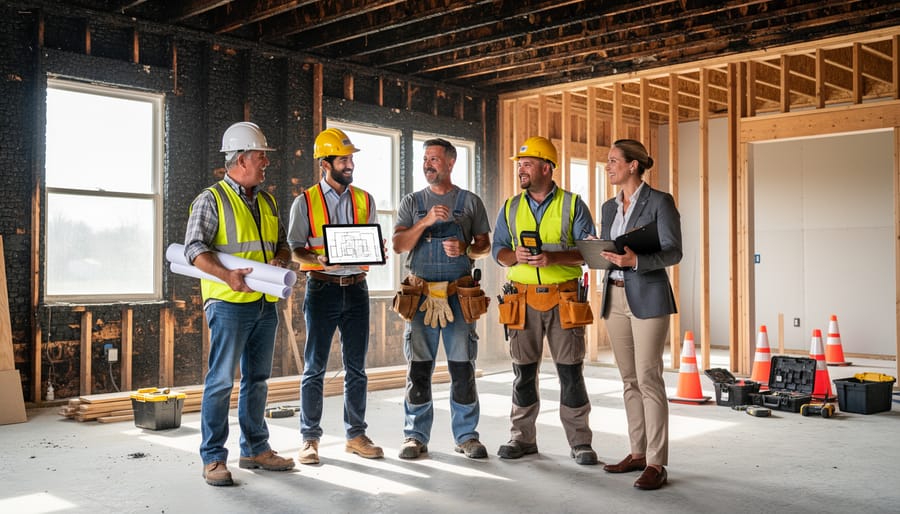
Success in fire-damaged property flipping depends heavily on surrounding yourself with the right professionals. Think of your team as your foundation—each expert brings specialized knowledge that protects your investment and ensures quality outcomes.
Start by connecting with a structural engineer experienced in fire damage assessment. They’ll evaluate whether a property is structurally sound and identify hidden problems like compromised beams or foundation issues. This expertise prevents costly surprises down the road.
Next, find contractors who specialize in fire restoration, not just general renovations. Fire damage involves unique challenges like smoke penetration, odor removal, and proper material replacement. Ask for references from previous fire restoration projects and verify their insurance coverage.
An insurance adjuster familiar with fire claims becomes invaluable when negotiating purchase prices. They understand claim processes and can help you determine actual damage costs versus estimated repairs, giving you negotiating power.
Partner with real estate agents who regularly handle distressed properties. They’ll alert you to new opportunities before they hit the general market and understand the unique pricing dynamics of fire-damaged homes.
Finally, retain a lawyer specializing in real estate transactions and property law. They’ll review contracts, handle title issues common with distressed properties, and protect you from legal complications.
Don’t overlook the value of connecting with a business coach who understands real estate ventures. They can provide strategic guidance as you build and scale your flipping business, helping you avoid common pitfalls while maximizing profitability.
Licenses, Insurance, and Legal Requirements
Starting a fire-damaged property flipping business requires navigating several legal and regulatory requirements to protect yourself and operate legitimately. The good news is that with proper preparation, you can establish a solid foundation for your venture.
First, register your business with your provincial government. Depending on your province, you may operate as a sole proprietor, partnership, or corporation. Each structure has different liability protections and tax implications, so consider consulting with a local accountant to determine the best fit for your situation.
Contractor licensing requirements vary significantly by province. In British Columbia, for example, substantial renovation work requires specific licensing through the provincial licensing board. Ontario and Alberta have different frameworks, often regulated at the municipal level. Research your province’s requirements early, as obtaining licenses can take several weeks or months.
Insurance is absolutely essential in this business. You’ll need comprehensive general liability insurance to protect against accidents during renovations, and property insurance that specifically covers fire-damaged structures. Many standard policies exclude pre-existing damage, so work with an insurance broker experienced in restoration projects. They can help you secure proper coverage, typically ranging from $2 million to $5 million in liability protection.
When purchasing fire-damaged properties, ensure you obtain clear title insurance and conduct thorough legal searches. Some properties may have outstanding liens from fire department services or municipal cleanup orders. A real estate lawyer familiar with distressed properties can identify potential issues before you commit financially.
Remember, investing in proper licenses and insurance isn’t just about compliance—it’s about protecting your business dream and building credibility with lenders, contractors, and future buyers.
Finding and Evaluating Fire-Damaged Properties
Where to Find Fire-Damaged Properties in Canada
Finding fire-damaged properties requires a proactive approach and tapping into multiple channels. Start with MLS listings, where you can search specifically for properties listed “as-is” or with fire damage noted in the description. Many real estate agents work with distressed properties and can set up alerts when these opportunities arise.
Building relationships with public adjusters proves invaluable. These professionals assess damage for property owners and often know which clients want to sell quickly rather than navigate lengthy repairs. Similarly, establishing contacts at insurance companies can provide early access to properties where owners have accepted settlements and prefer selling over rebuilding.
Municipal tax sale listings present another practical source. Fire-damaged properties sometimes end up in tax arrears when overwhelmed owners fall behind on payments. Check your local municipality’s website regularly for upcoming tax sales and auction dates.
Join real estate investor networks in your area. These groups share leads, and fire-damaged properties might not appeal to traditional fix-and-flip investors but could be perfect for your specialized business. Attend local meetups and participate in online forums to build connections.
Direct marketing to property owners also works well. Monitor local fire department reports or news for recent fires, then reach out respectfully to owners offering solutions. A simple letter expressing your ability to purchase quickly and handle all repairs demonstrates genuine help during their difficult time.
Remember, success comes from consistency. Check multiple sources weekly, nurture your professional relationships, and position yourself as the go-to solution when fire damage strikes. Your persistence will build a steady pipeline of opportunities.
The Essential Property Assessment Checklist
Before you make an offer on any fire-damaged property, conducting a thorough assessment is essential to understanding what you’re getting into. This checklist will help you identify potential problems and estimate renovation costs accurately, protecting your investment from the start.
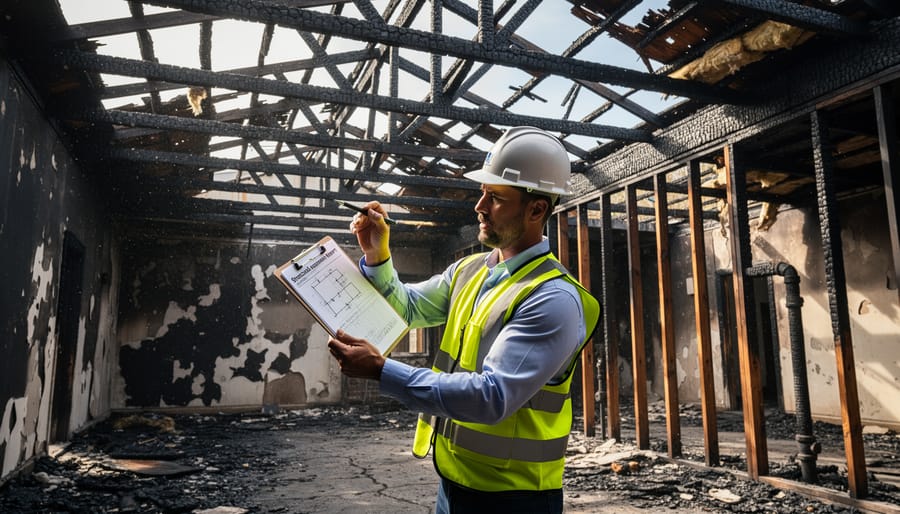
Begin with the structural integrity. Look for sagging roofs, cracked foundation walls, and weakened floor joists. Fire can compromise load-bearing walls and support beams, so consider hiring a structural engineer for properties with significant damage. This professional assessment typically costs between $500 and $1,500 but can save you from costly surprises later.
Next, evaluate smoke and water damage extent. Smoke penetrates deeply into walls, insulation, and ductwork, while firefighting efforts often cause extensive water damage. Check for mold growth in hidden areas like wall cavities and beneath flooring. Water damage can be just as expensive to remediate as fire damage itself.
Inspect all electrical and plumbing systems carefully. Heat often melts wiring and damages electrical panels, creating serious safety hazards. Plumbing may have burst pipes or melted fixtures. Budget for complete system replacements in heavily damaged areas rather than attempting partial repairs.
Don’t overlook foundation assessment. Water pooling during firefighting can cause foundation shifting or cracking. Walk the property’s perimeter and interior, looking for uneven floors or separation between walls and foundations.
Finally, test for contamination issues. Older Canadian homes may contain asbestos in insulation or flooring, and lead paint is common in pre-1980 properties. Fire can release these hazardous materials, making professional testing mandatory. Asbestos abatement alone can cost $10,000 to $30,000, significantly impacting your budget.
Document everything with photos and detailed notes. This checklist becomes your roadmap for accurate cost estimation and successful project planning.
Calculating Your Maximum Offer Price
Understanding your maximum offer price is essential to ensure profitability in your fire-damaged property flipping venture. The good news is there’s a straightforward formula you can use to make informed decisions with confidence.
Start with the After-Repair Value (ARV)—this is what the property will sell for once fully renovated. Research recent comparable sales in the neighborhood to determine a realistic ARV. From this number, subtract your estimated renovation costs, including all repairs, materials, labor, and permits. Be thorough and add a 15-20% contingency buffer for unexpected issues common with fire-damaged properties.
Next, subtract your desired profit margin. Many successful Canadian flippers aim for 15-25% of the ARV as profit, though you can adjust this based on your business goals and risk tolerance.
Don’t forget holding costs, which include mortgage interest, property insurance, utilities, and property taxes during the renovation period. In Canada, you’ll also need to factor in land transfer taxes, which vary by province, and consider whether GST/HST applies to your purchase and renovation expenses. In some cases, you may recover input tax credits on your GST/HST paid.
The formula looks like this: Maximum Offer = ARV – Renovation Costs – Desired Profit – Holding Costs – Land Transfer Taxes.
This calculation protects your investment and ensures you’re building a sustainable business. Remember, it’s always better to walk away from a deal than to overpay and jeopardize your financial success.
The Renovation Process: From Damaged to Market-Ready
Phase 1: Cleanup and Structural Restoration
This phase marks your real beginning as a fire-damaged property flipper, and you’re taking on crucial work that transforms an unsafe structure into something with genuine potential. Safety comes first, so you’ll need to partner with certified professionals who understand hazardous material handling.
Start with comprehensive debris removal. Fire-damaged properties often contain burned materials, melted fixtures, and compromised building components that require proper disposal. You’ll need permits and licensed contractors who can identify and safely remove asbestos, lead paint, and other dangerous substances common in older Canadian homes. Don’t cut corners here – workplace safety regulations exist to protect you and your team.
Odor remediation is more challenging than many newcomers expect. Smoke penetrates walls, flooring, and structural materials deeply. Professional-grade ozone treatments, thermal fogging, and sometimes complete removal of affected materials will be necessary. This investment pays off because buyers can smell problems immediately during viewings.
Structural repairs follow once the property is clean and safe. Hire a licensed structural engineer to assess beam integrity, foundation damage, and load-bearing wall conditions. Fire weakens structural elements in ways that aren’t always visible. Your engineer’s report will guide repairs and help you meet building code requirements.
Building code compliance is non-negotiable in Canada. Work closely with your local municipality’s building department from day one. They’ll outline required permits, inspections, and upgrades needed to bring the property up to current standards. This relationship matters – inspectors become valuable allies when they see you’re committed to doing things properly.
Phase 2: Systems and Finishing
Once structural work is complete, you’ll move into systems replacement and finishing touches. This phase transforms your property from a construction site into a marketable home.
Start with electrical systems. Fire damage often requires complete rewiring to meet current Canadian Electrical Code standards. Hire a licensed electrician to inspect and replace damaged wiring, panels, and fixtures. Budget approximately $8,000-$15,000 for a typical home, depending on size and complexity.
Next, address plumbing repairs. Replace damaged pipes, fixtures, and water heaters. In colder Canadian climates, ensure proper insulation to prevent freezing. Expect costs between $5,000-$12,000 for comprehensive plumbing work.
HVAC systems frequently need replacement after fires. Choose energy-efficient furnaces that appeal to buyers while keeping installation costs reasonable. A mid-range furnace and installation typically runs $4,000-$7,000.
For cosmetic improvements, focus on high-impact, budget-friendly choices. Fresh neutral paint throughout costs $2,000-$4,000 but dramatically improves appeal. Install durable laminate or vinyl flooring instead of hardwood to save money while maintaining quality appearance. Update kitchens and bathrooms with modern fixtures and countertops, as these spaces heavily influence buyer decisions.
Remember, your goal is creating move-in ready condition without over-improving for the neighborhood. Research comparable properties to ensure your upgrades align with local market expectations and maximize your return on investment.
Managing Contractors and Staying On Budget
Finding reliable contractors is crucial to your success in fire-damaged property flipping. Start by requesting detailed written quotes from at least three licensed contractors who have specific experience with fire restoration. Make sure quotes itemize all work, including structural repairs, electrical rewiring, and smoke damage remediation. Don’t just choose the lowest bid—verify insurance, check references, and ask to see completed fire restoration projects.
Create a contingency budget of 15-20% above your quoted costs. Fire-damaged properties almost always reveal hidden issues once walls are opened up, such as weakened joists, compromised wiring, or additional smoke penetration. This buffer keeps your project moving forward when surprises arise.
Establish clear timelines with milestone payments tied to completed work. Weekly site visits help you catch potential delays early and maintain quality standards. Develop relationships with contractors who understand fire damage complexities—they become valuable partners as you scale your business.
When unexpected issues surface, address them immediately. Delaying decisions on structural problems or permit requirements only increases costs and timeline setbacks. Keep detailed records of all changes and expenses to protect your investment and inform future project budgets. Remember, experienced contractors who deliver quality work on time are worth their rate and will save you money in the long run.
Selling Your Renovated Property for Maximum Profit

Disclosure Requirements and Legal Obligations
Transparency is your greatest asset when flipping fire-damaged properties in Canada. Provincial regulations require you to disclose material facts about a property’s history, including previous fire damage, to potential buyers. This isn’t just good ethics—it’s the law, and failing to comply can result in costly lawsuits and damage to your reputation.
Each province has specific disclosure requirements. In Ontario, for example, sellers must complete a Seller Property Information Statement outlining known defects and past damage. British Columbia requires similar transparency through Property Disclosure Statements. Even if your renovations are top-quality, you must inform buyers about the property’s fire history.
Keep detailed records of all renovation work, including before-and-after photos, contractor invoices, and completed permits. These documents prove you’ve restored the property properly and help build buyer confidence. All electrical, plumbing, and structural work must be permitted and inspected by local authorities—no shortcuts.
Working with a real estate lawyer familiar with your province’s requirements protects you from future claims. When you’re upfront about a property’s past, you attract informed buyers who appreciate the value you’ve created. Remember, honesty builds trust, and trust builds a sustainable business that generates repeat opportunities and referrals.
Marketing Your Transformed Property
Successfully marketing your transformed property requires showcasing the incredible journey from fire damage to beautiful home. Start by investing in professional before-and-after photography that captures both the devastation and the stunning renovation. These powerful images tell a compelling story that resonates with buyers and justifies your asking price.
Create a narrative around the transformation. Share details about the renovation process, quality materials used, and improvements made beyond simple restoration. Buyers appreciate knowing they’re purchasing a home that’s been thoroughly rebuilt with modern standards and updated systems.
Identify your ideal buyer demographic. First-time homebuyers often appreciate the move-in ready condition and competitive pricing, while investors may value the solid renovation work. Tailor your marketing message accordingly.
Partner with experienced real estate agents who understand renovation properties and can effectively communicate value to potential buyers. They’ll help navigate pricing strategies and connect you with serious purchasers. Consider hosting open houses to let people experience the quality firsthand.
Remember, transparency builds trust. Be upfront about the property’s history while emphasizing the comprehensive restoration completed. Your honest approach, combined with visual proof of transformation, creates confidence and drives successful sales.
Common Pitfalls and How to Avoid Them
Underestimating Hidden Damage
One of the costliest mistakes when flipping fire-damaged properties is relying on surface-level assessments. What you see is rarely the full story. Smoke penetrates walls, heat damages structural components invisibly, and water from firefighting efforts can create hidden mold issues months later.
Always invest in comprehensive professional inspections before purchasing. Hire certified inspectors experienced with fire damage, including structural engineers, electricians, and mold specialists. Yes, this adds upfront costs, but it protects you from devastating surprises mid-renovation.
Consider the story of Marcus from Winnipeg, who thought he scored a great deal on a fire-damaged bungalow. Without proper inspection, he discovered asbestos-contaminated debris and compromised floor joists only after purchase, doubling his renovation budget.
Build a contingency fund of at least 20-25% above your estimated renovation costs. Hidden damage is the rule, not the exception, in fire-damaged properties. This buffer keeps your project moving forward when unexpected issues arise, rather than stalling out due to cash shortages.
Professional assessments aren’t expenses—they’re investments that prevent financial disaster and help you negotiate better purchase prices based on actual repair needs.
Financing Challenges Specific to Fire-Damaged Properties
Traditional lenders often hesitate to finance fire-damaged properties because they view them as high-risk investments. Banks typically refuse mortgages on homes requiring extensive structural repairs, leaving you to explore creative alternatives. Understanding this reality early helps you plan effectively rather than facing disappointment during your property search.
Securing renovation financing requires a strategic approach. Consider starting with hard money lenders who specialize in distressed properties and focus on the property’s after-repair value rather than its current condition. These short-term loans carry higher interest rates but provide quick access to capital when traditional banks won’t help. Home equity lines of credit on properties you already own can also fund initial purchases and renovations.
Private investors offer another powerful option for Canadian entrepreneurs entering this niche. Building relationships with individuals interested in real estate returns can provide flexible financing terms. Present them with detailed renovation budgets and realistic profit projections to build confidence in your project.
Joint venture partnerships work exceptionally well in fire-damaged flipping. Partner with someone who has capital while you contribute expertise and sweat equity. This reduces your financial burden while sharing both risks and rewards.
Start small with properties requiring cosmetic repairs rather than major structural work. This approach requires less capital upfront and helps you build a track record that attracts better financing options for future projects.
Real Success Story: From First Flip to Growing Business
Meet Sarah Chen from Burlington, Ontario, who transformed a calculated risk into a thriving fire-damaged property business. In 2019, Sarah purchased her first fire-damaged bungalow for $185,000—a property that would have sold for $340,000 in pristine condition. With a background in project management but no construction experience, she approached the venture methodically.
Her first project taught her invaluable lessons. The renovation took four months and cost $78,000, slightly over her initial $70,000 budget due to unexpected structural issues behind fire-damaged walls. She sold the property for $315,000, netting approximately $52,000 after all expenses including legal fees and carrying costs. More importantly, she gained hands-on knowledge that no course could provide.
Sarah’s biggest early mistake? Underestimating the time required for permits and inspections. Her advice: always add 20-30% buffer time to your project timeline. She also learned to build relationships with fire restoration specialists and insurance adjusters, connections that proved crucial for future deals.
Fast forward to today, Sarah runs a team of three and completes 8-12 fire-damaged property flips annually across the Greater Toronto Area. Her average profit per project has grown to $65,000-$85,000 as she refined her systems and developed trusted contractor relationships. She focuses exclusively on residential properties valued between $300,000-$600,000 before damage, finding this sweet spot offers the best balance of investment and return.
Sarah’s success didn’t happen overnight, but her systematic approach and willingness to learn from each project built a sustainable business. She emphasizes that starting small, staying patient during the learning curve, and maintaining financial discipline were her keys to growth.
Starting a fire-damaged property flipping business in Canada is absolutely achievable with the right preparation and mindset. This niche offers genuine opportunities for entrepreneurs willing to invest time in learning the restoration process, building contractor relationships, and understanding local regulations. Success won’t happen overnight—it requires dedication, initial capital, and resilience when facing unexpected challenges during renovations.
The good news is you don’t have to navigate this journey alone. Canada offers excellent resources for Canadian entrepreneurs, from business development programs to mentorship networks that can guide you through the startup phase. Begin by researching your local market, connecting with insurance adjusters, and attending a few property auctions to understand pricing dynamics. Take that first small step today—perhaps touring a fire-damaged property or speaking with a restoration contractor in your area.
Remember, every successful property flipper started exactly where you are now: with curiosity and determination. This business rewards those who combine careful planning with decisive action. Your journey toward building a profitable fire-damaged property flipping business starts with one property, one renovation, and one lesson learned at a time.




Average Rating